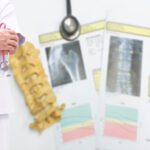

- T-score -1.0 or higher → Normal bone density
- T-score between -1.0 and -2.5 → Low bone density (osteopenia)
- T-score below -2.5 → Osteoporosis diagnosis
- Proven Accuracy – Delivers precise bone density results
- User-Friendly Design – Easy operation for healthcare professionals
- Fast Diagnosis – Immediate results for quick decision-making
- HEDIS OSW Screening Solution – Ideal for early osteoporosis detection
- Testing for All Ages – Suitable for patients up to 99 years old
Frequently Asked Questions
Why is early osteoporosis detection important even without symptoms?
Osteoporosis can weaken bones without noticeable symptoms, so a fracture after a minor fall may be the first sign. Early detection allows healthcare providers to recommend measures that help strengthen bones and slow the disease’s progression.
What does a T-score tell you about bone health?
A T-score helps healthcare providers classify bone density as normal, low (osteopenia), or in the osteoporosis range. These results help them assess fracture risk and recommend appropriate treatment.
What measures may be recommended after low bone density is identified?
Depending on the assessment, healthcare providers may recommend calcium and vitamin D supplementation, lifestyle changes, and weight-bearing exercises. These measures support bone health and form part of managing osteoporosis risk.
How can osteoporosis affect mobility and quality of life?
Osteoporosis makes bones fragile and more likely to fracture, even after a minor fall. Such fractures can be debilitating, limiting mobility and affecting quality of life.