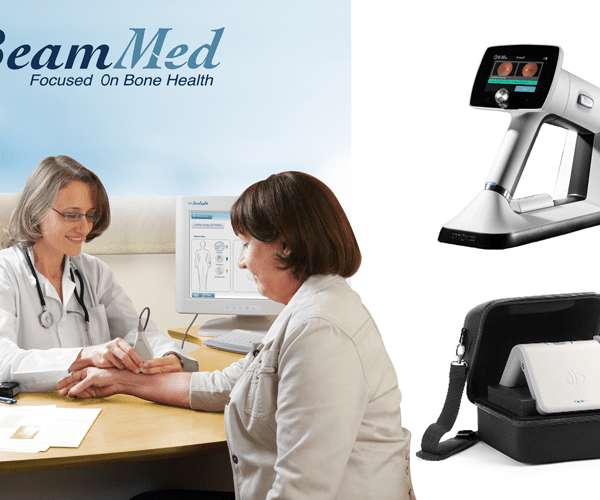

Osteoporosis remains one of the most underdiagnosed and undertreated chronic conditions, despite its significant impact on aging populations. With fractures often being the first visible symptom, early detection is critical. This is where point-of-care bone density testing is transforming how primary care providers approach screening. Technologies like MiniOmni are making it possible to bring bone health assessments directly into everyday clinical workflows, improving both accessibility and patient outcomes.
Why Early Detection of Osteoporosis Matters
Osteoporosis is frequently referred to as a “silent disease” because bone loss occurs without noticeable symptoms until a fracture happens. By the time a patient experiences a fracture, bone density has often declined significantly. Traditional diagnostic pathways—such as referrals to imaging centers for DEXA scans—can create delays, missed appointments, and lost follow-ups.
Primary care physicians are in a unique position to identify at-risk patients early. However, without convenient tools, screening is often deprioritized. Point-of-care bone density testing changes this dynamic by enabling immediate assessment during routine visits.
What Is Point-of-Care Bone Density Testing?
Point-of-care bone density testing refers to the use of compact, accessible diagnostic tools that allow clinicians to measure bone density directly within their practice setting. Unlike traditional systems that require specialized imaging facilities, these solutions are designed for speed, simplicity, and integration into primary care environments.
MiniOmni exemplifies this shift by offering a streamlined approach to bone density evaluation without the logistical barriers of conventional imaging.
How MiniOmni Enhances Primary Care Screening
MiniOmni empowers healthcare providers to incorporate bone health screening into routine care without disrupting workflow. Instead of referring patients out, clinicians can perform assessments during the same visit, leading to faster clinical decisions and improved patient engagement.
Key advantages include:
- Immediate Results: Clinicians can assess bone density in real time, enabling quicker diagnosis and treatment planning.
- Improved Patient Compliance: Patients are more likely to complete testing when it is offered during their appointment.
- Streamlined Workflow: No need for external referrals, reducing administrative burden and delays.
This approach aligns with the broader trend toward preventive care and value-based healthcare models, where early intervention is both clinically effective and cost-efficient.
Closing the Gap in Osteoporosis Screening
Despite clear guidelines recommending screening for certain populations—especially postmenopausal women and older adults—screening rates remain suboptimal. Barriers such as limited access to imaging centers, scheduling challenges, and patient hesitation all contribute to this gap.
By integrating point-of-care bone density testing into primary care, providers can:
- Identify at-risk patients earlier in the disease progression
- Reduce missed opportunities for screening during routine visits
- Initiate timely interventions to prevent fractures
This proactive approach not only improves patient outcomes but also reduces long-term healthcare costs associated with fracture treatment and rehabilitation.
Enhancing Patient Engagement and Education
One of the overlooked benefits of point-of-care bone density testing is its impact on patient awareness. When patients receive immediate feedback during their visit, they are more likely to understand their bone health status and take recommended actions.
MiniOmni supports this by providing clear, accessible results that clinicians can use to guide conversations about:
- Lifestyle modifications such as diet and exercise
- Calcium and vitamin D intake
- Medication options when necessary
This real-time interaction fosters a more collaborative patient-provider relationship and encourages adherence to treatment plans.
The Future of Bone Health in Primary Care
Healthcare is moving toward more decentralized, patient-centered models, and point-of-care bone density testing is a natural fit within this evolution. As technology continues to advance, tools like MiniOmni will play a critical role in making preventive care more accessible and efficient.
Primary care practices that adopt these solutions position themselves at the forefront of modern healthcare delivery. They not only improve clinical outcomes but also enhance operational efficiency and patient satisfaction.
Why Beammed Is Leading This Innovation
Beammed is at the forefront of advancing bone health diagnostics by delivering innovative solutions like MiniOmni to healthcare providers. Their commitment to improving accessibility and accuracy in bone density testing allows primary care practices to implement point-of-care bone density testing with confidence.
By equipping clinics with user-friendly, reliable diagnostic tools, Beammed helps providers detect osteoporosis earlier, improve patient care pathways, and reduce the risk of fractures. Their solutions are designed to integrate seamlessly into clinical workflows, ensuring that bone health screening becomes a routine and effective part of patient care.
Frequently Asked Questions
What is point-of-care bone density testing?
Point-of-care bone density testing is a method of measuring bone density directly within a healthcare provider’s office, allowing for immediate results without the need for external imaging centers.
Who should receive bone density testing?
Bone density testing is typically recommended for postmenopausal women, older adults, and individuals with risk factors such as family history, low body weight, or certain medical conditions.
How does MiniOmni differ from traditional DEXA scans?
MiniOmni offers a more accessible, in-office testing option that provides quick results, while traditional DEXA scans are usually performed in specialized imaging facilities and may require referrals.
Why is early osteoporosis detection important?
Early detection allows for timely intervention, which can help prevent fractures, reduce complications, and improve long-term quality of life.