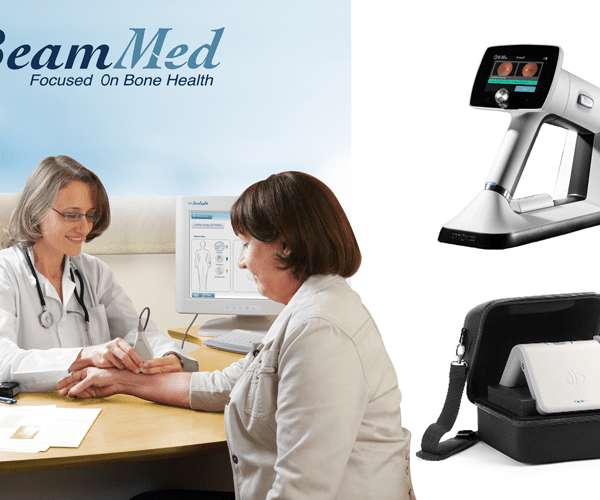
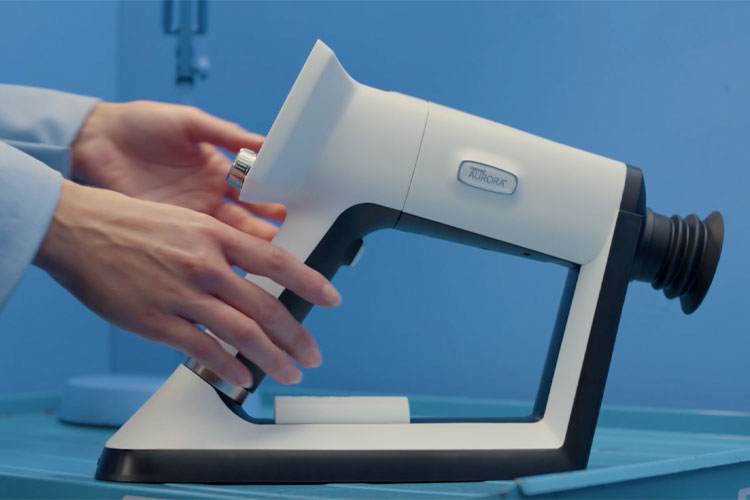
Retina imaging, once limited to ophthalmology practices, is rapidly becoming one of the most valuable diagnostic tools across primary care, endocrinology, urgent care, and multispecialty clinics. As chronic diseases rise and patient expectations evolve, the ability to capture high-quality fundus images in-house gives providers a significant clinical and financial advantage.
Retina imaging—especially when performed with modern, user-friendly fundus cameras—allows clinicians to detect early signs of serious systemic conditions long before symptoms appear. But beyond its clinical value, the return on investment (ROI) is becoming impossible for healthcare organizations to ignore.
This article breaks down the financial impact, workflow advantages, and long-term benefits of integrating retina imaging into non-ophthalmic settings, and why more practices are making this technology a core part of preventive care.
The Expanding Role of Fundus Screening in General Medicine
Diabetic retinopathy screening is one of the most common uses of fundus imaging, but it’s far from the only one. Today, retina imaging supports early identification of:
- Hypertension-related vascular changes
- Neurological and intracranial conditions
- Cardiovascular disease risk markers
- Macular degeneration
- Autoimmune-related inflammation
- Medication-related ocular side effects
Because the retina is the only place in the body where microvasculature is visible non-invasively, it offers a real-time snapshot of systemic health. Primary care clinicians who incorporate fundus screening are able to move from reactive to proactive patient management—catching disease earlier and referring only the patients who genuinely need a specialist.
How Retina Imaging Improves Patient Outcomes
One of the biggest advantages of in-office retina imaging is the immediate impact on patient care. Many patients, especially those with chronic conditions, never follow through on external referrals. By screening on the spot, providers can:
- Reduce preventable vision loss
- Increase early detection rates
- Close care gaps related to diabetic retinopathy
- Improve compliance with quality measures (e.g., HEDIS, STAR ratings)
- Strengthen the overall continuity of care
For practices managing diabetic populations, retina imaging directly supports preventive care goals and improves compliance with national screening guidelines.
The Financial ROI: More Than Just Reimbursement
The return on investment extends far beyond billing revenue. Retina imaging helps practices unlock multiple revenue and cost-saving pathways:
1. Reimbursement Opportunities
Fundus imaging is reimbursable under multiple CPT codes when medically necessary. With rising chronic disease prevalence, imaging volume is projected to grow significantly across primary and specialty care settings.
2. Reduced Referral Leakage
Practices retain more services in-house, improving revenue capture and strengthening patient relationships.
3. Increase in Annual Wellness Visit Value
Retina imaging enhances preventive care services, boosting the overall value of annual wellness programs.
4. Stronger Quality Scores (HEDIS, ACO, Value-Based Care)
Closing care gaps translates to higher performance ratings, better payer contracts, and increased incentive payments.
5. Long-Term Organizational Reputation
Clinics offering advanced imaging are more competitive and more attractive to patients seeking modern, tech-driven care.
Workflow Efficiency and Staffing Advantages
Modern fundus cameras are designed for ease of use, requiring minimal training for medical assistants and nurses. Automated focus, alignment assistance, and quick image capture allow staff to perform screenings without disrupting clinic flow.
By integrating retina imaging into existing check-in or vitals workflows, clinics can screen high-risk patients seamlessly. In many facilities, imaging adds less than three minutes to the appointment while significantly enhancing diagnostic capabilities.
Because screenings are performed on-site, providers spend less time tracking referrals, following up on incomplete screenings, or repeating tests. The result is more efficient patient management and a cleaner, more accurate patient record.
Cross-Specialty Impact: A Technology for Every Practice
- Fundus imaging is proving valuable across a wide range of care settings:
- Primary Care: Essential for diabetes management, hypertension monitoring, and preventive screenings.
- Endocrinology: Supports routine monitoring for patients with diabetes and metabolic disorders.
- Urgent Care: Helps rule out acute ocular issues and neurological red flags.
- Neurology: Useful for documenting optic nerve health and intracranial pressure indicators.
- Geriatrics: Ideal for early detection of age-related macular degeneration and vascular disease.
- The versatility of retina imaging makes it one of the most adaptable diagnostic tools available to modern clinics.
Future-Proofing Healthcare Through Preventive Screening
As value-based care models expand, healthcare organizations must prioritize preventive diagnostics and early detection. Retina imaging aligns perfectly with this shift, helping practices reduce long-term costs, improve patient outcomes, and enhance overall care quality.
Adding retina imaging is not just a technological upgrade—it is a strategic investment that pays off clinically, operationally, and financially. For clinics looking to expand diagnostic capabilities and strengthen their preventive care strategy, fundus imaging offers measurable, lasting value.
To explore high-quality, advanced retina imaging devices designed for clinics of every size, trusted solutions from BeamMed provide unmatched performance, durability, and ease of use to support long-term ROI.
Frequently Asked Questions
1. Do non-ophthalmology clinics need special training to perform retina imaging?
No. Modern fundus cameras are designed for easy operation and require minimal staff training.
2. Can retina imaging be reimbursed in primary care?
Yes. Fundus imaging is reimbursable under multiple CPT codes when medically necessary.
3. What chronic conditions benefit most from retina screening?
Diabetes, hypertension, cardiovascular disease, and neurological disorders show early ocular markers detectable through retina imaging.
4. Is retina imaging cost-effective for small clinics?
Absolutely. With reimbursements, reduced referral leakage, and improved patient outcomes, the ROI is strong even for smaller practices.