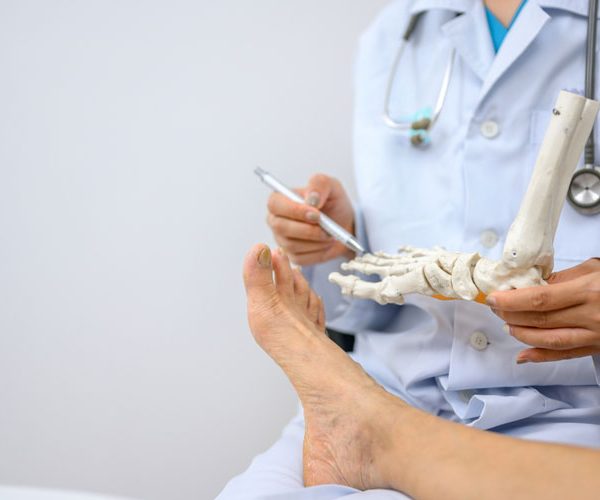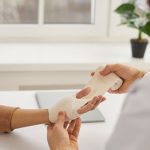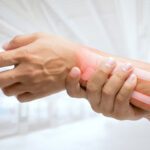
Most people see a fracture as a one-time injury—a simple fall, a twist, or a misstep. But for adults over 50, that broken bone might be more than bad luck. It could be the first clear warning sign of osteoporosis, a condition that weakens bones over time and often remains undetected until an injury occurs.
Unfortunately, many patients and even healthcare providers fail to connect the dots between fractures and underlying bone loss. Taking action after the first fracture is essential for protecting your future mobility and independence.
What Happens When Osteoporosis Goes Undiagnosed
Osteoporosis often progresses quietly. You can’t feel your bones getting weaker, and without routine screening, many people don’t realize they’re at risk. By the time a fracture occurs—especially in the hip, spine, or wrist—bone strength has already declined.
For postmenopausal women and adults over 65, osteoporosis screening is strongly recommended. But even younger adults who have experienced a fracture, have family history, or take medications that affect bone density may also be at risk. Still, many individuals aren’t evaluated after a break—missing a critical opportunity for early intervention.
Why Bone Health Evaluation After a Fracture Is Essential
When a fracture occurs, healthcare providers should do more than just set the bone—they should investigate why it broke in the first place. A proper osteoporosis evaluation typically includes:
Bone mineral density (DEXA) scans
Review of personal and family history of fractures
Medication and hormone analysis
Lifestyle and nutritional factors
Assessment of fall risk
Understanding these factors gives a more complete picture of a person’s bone health—and can guide personalized treatment to prevent another, more serious injury.
Helping Patients Strengthen Their Bones
Preventing future fractures starts with education and support. Patients need clear, actionable information about how to strengthen their bones and protect themselves from further injury. In many cases, that includes medication or hormone therapy, but lifestyle changes play a big role too:
A diet rich in calcium and vitamin D
Adequate protein intake
Limiting sodium and alcohol
Quitting smoking
Consistent weight-bearing and resistance exercises
When providers take time to explain the connection between bone loss and fractures in an approachable, empowering way, patients are more likely to follow through with treatment.
Fall Prevention: The Key to Staying Independent
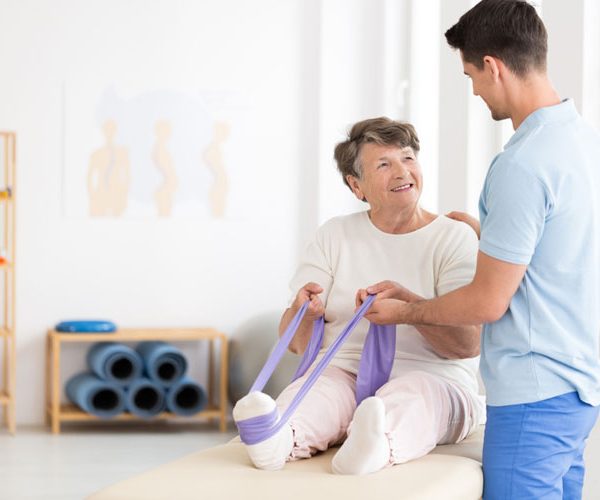
Fear of falling again often leads older adults to avoid physical activity altogether—but inactivity actually increases the risk of bone loss and balance issues. Encouraging safe, consistent movement helps preserve strength and mobility.
Key strategies include:
Exercises that improve balance, strength, and flexibility
Vision and hearing checks to reduce sensory fall risks
Medication reviews to catch side effects like dizziness
Home safety audits to eliminate hazards like loose rugs or poor lighting
With a proactive approach, patients can feel confident moving again—and lower their chances of a second fracture.
Protect Your Future, One Step at a Time
The first fracture doesn’t have to lead to the next. Recognizing its connection to osteoporosis is the first step toward prevention, strength, and long-term independence. If you or someone you love has suffered a fracture, ask about a full bone health evaluation—it could change the course of your care.
For additional support and guidance, speak with your healthcare provider or explore resources from the National Osteoporosis Foundation and National Institute on Aging.
Innovative Screening with the Beammed Portable Bone Scanner
For faster, more accessible bone health evaluations, the Beammed Portable Bone Scanner is revolutionizing the way clinicians assess bone density. Unlike traditional DEXA machines, this compact, handheld device allows for non-invasive, radiation-free bone scans in any clinical setting—or even at community events and home visits. It’s especially useful for early screening in patients who have suffered a fracture or show risk factors for osteoporosis. The Beammed scanner provides reliable results in minutes, helping providers act quickly to identify a bone health problem before it leads to further injury. Call 800-769-6808