Osteoporosis is a condition that silently weakens bones, making them fragile and more prone to fractures. Among its forms, senile osteoporosis—sometimes referred to as Type II osteoporosis—is most commonly seen in older adults. Unlike minor bone injuries that naturally heal over time, osteoporosis represents a deeper, degenerative process linked to age-related changes in bone structure.
What is Senile Osteoporosis?
Senile osteoporosis develops gradually as the body’s ability to form new bone tissue slows down with age. At the same time, the natural process of breaking down old bone cells accelerates, creating an imbalance. Over the years, this leads to thinner, weaker bones that can no longer withstand stress as effectively. Hormonal shifts and nutritional deficiencies further intensify this progression.
Common Symptoms
The warning signs of senile osteoporosis often go unnoticed until a fracture occurs. However, some symptoms can indicate declining bone strength:
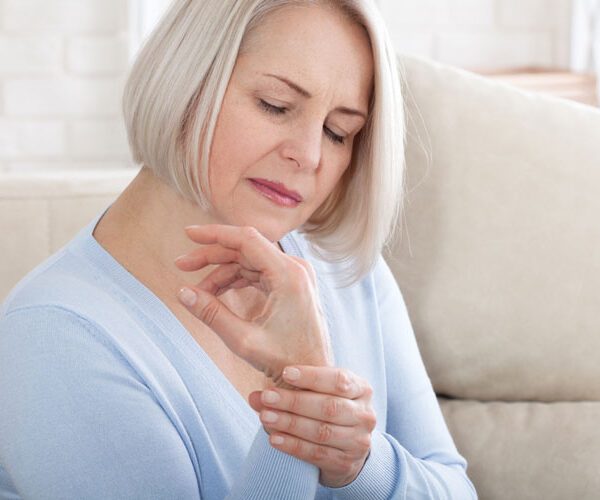
Chronic back pain that worsens when standing or moving, often easing when lying down.
Fractures in the mid-back region, which may cause a hunched posture over time.
Persistent discomfort, ranging from sharp episodes of pain to dull, lingering aches.
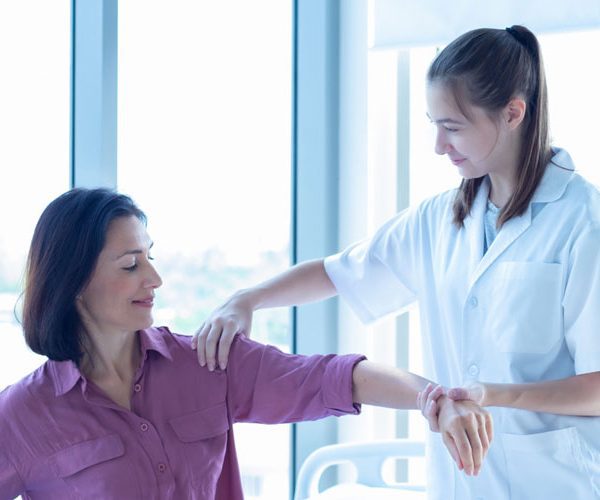
These symptoms can significantly affect mobility, independence, and overall quality of life in seniors.
Prevention and Lifestyle Measures
Although age is the strongest risk factor, lifestyle choices play a major role in slowing down bone loss. Key steps include:
Nutrition: A diet rich in calcium, vitamin D, protein, and phosphorus supports strong bones.
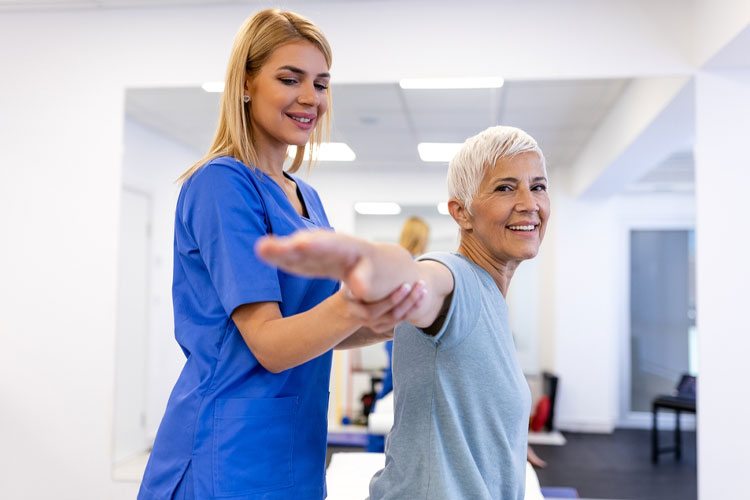
Exercise: Weight-bearing activities and resistance training help maintain bone density.
Lifestyle habits: Avoiding smoking and excessive alcohol can reduce additional risk.
Even small changes in daily habits can make a lasting difference in protecting bone health.
Diagnosis and Monitoring
Early detection is critical for preventing severe damage. Reliable screening allows both patients and healthcare providers to understand bone strength and take timely action.
Beammed Solutions for Osteoporosis Care
Beammed offers innovative, radiation-free tools that make bone density assessments accessible and accurate. Their Sunlight MiniOmni and Omnisense scanners provide quick, portable testing without the risks of x-rays. For children, the Sunlight Pediatric option delivers safe and precise evaluations, ensuring early intervention when needed. With these advanced devices, both clinics and individuals can monitor bone health conveniently and cost-effectively. Call 800-769-6808