The ROI of Adding Retina Imaging: Fundus Screening Beyond Ophthalmology
Introduction: A New Revenue and Care Opportunity
Healthcare organizations are increasingly evaluated not only on patient outcomes, but also on operational efficiency, preventive care delivery, and financial sustainability. As value-based care models continue to evolve, providers are seeking diagnostic technologies that support early detection while also generating measurable return on investment (ROI).
One such opportunity is retina imaging, specifically fundus screening. Once confined almost exclusively to ophthalmology practices, fundus imaging is now being adopted across primary care and specialty environments. For organizations working with BeamMed, adding retina imaging is a strategic move that enhances clinical insight, improves patient engagement, and unlocks new revenue opportunities—without disrupting existing workflows.
What Is Fundus Screening and Why It Has Business Value
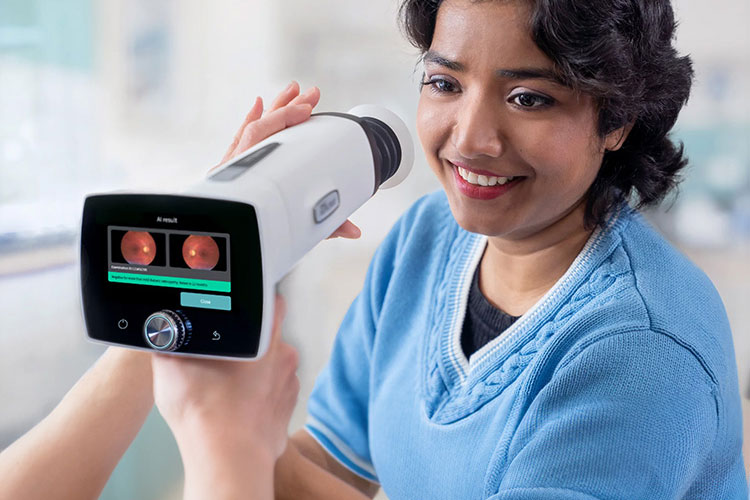
Fundus screening involves capturing detailed images of the retina, allowing clinicians to visualize blood vessels, optic nerve structures, and neural tissue. Because retinal health is closely linked to systemic conditions, fundus imaging provides clinically relevant data that extends far beyond eye-specific care.
From a business perspective, fundus screening delivers value in three critical areas:
-
Preventive insight that supports earlier intervention
-
Operational efficiency through fast, non-invasive imaging
-
Revenue generation via billable diagnostic services
This combination makes retina imaging a compelling investment for healthcare organizations focused on both care quality and financial performance.
Expanding Retina Imaging Beyond Eye Care
Primary Care Practices
Primary care providers are uniquely positioned to benefit from fundus screening. Integrating retina imaging into annual wellness visits and chronic care checkups allows clinicians to identify early indicators of vascular or neurological concerns while improving preventive care compliance.
By offering retina imaging in-house, practices reduce dependency on external referrals, shorten diagnostic timelines, and strengthen patient trust.
Endocrinology and Chronic Care Clinics
Patients managing chronic conditions often require ongoing monitoring. Fundus screening adds clinical value by providing additional visual data points that support risk assessment and long-term care planning—while also increasing service offerings within the practice.
Cardiology and Neurology Environments
The retina reflects changes in vascular and neurological health. Retina imaging supports specialists by offering supplemental diagnostic insight that enhances decision-making and documentation without adding invasive procedures.
Financial ROI: How Retina Imaging Pays for Itself
New, Scalable Revenue Streams
Fundus screening can be billed when medically appropriate, creating incremental revenue from existing patient visits. Because the imaging process is quick, providers can scale usage across multiple appointments per day.
Minimal Staffing and Training Requirements
Modern retina imaging systems are designed for ease of use. Clinical staff can be trained quickly, eliminating the need for specialized personnel or extended appointment times.
Improved Patient Retention and Satisfaction
Patients value convenience and comprehensive care. When retina imaging is available during routine visits, patients are more likely to remain within the same healthcare network, increasing lifetime patient value.
Faster Clinical Decisions
Immediate access to retinal images allows providers to make informed decisions during the same visit. This efficiency reduces delays, improves outcomes, and supports more effective care coordination.
Clinical ROI: Better Data, Better Outcomes
Earlier Detection Through Preventive Screening
Retina imaging supports early identification of potential health concerns, allowing providers to intervene sooner. Earlier action often leads to simpler treatment paths and lower long-term costs.
Objective, Visual Documentation
High-resolution retinal images provide clear, objective clinical documentation. This strengthens medical records, supports referrals, and improves continuity of care across providers.
Alignment With Preventive Care Models
As healthcare shifts toward prevention rather than reaction, retina imaging aligns naturally with population health initiatives and risk-based care strategies.
Why BeamMed Supports Strategic Imaging Growth
BeamMed delivers advanced imaging solutions designed to help healthcare organizations expand diagnostic capabilities responsibly and profitably. By supporting retina imaging integration across diverse care environments, BeamMed enables providers to improve preventive care delivery while maintaining operational efficiency.
Organizations partnering with BeamMed benefit from:
-
Imaging solutions designed for multi-specialty use
-
Workflow-friendly implementation
-
Scalable technology that supports growth
-
A focus on long-term clinical and financial value
This approach allows providers to adopt retina imaging with confidence and clarity.
Best Practices for Maximizing ROI
To achieve optimal ROI from retina imaging, healthcare organizations should:
-
Identify patient populations most likely to benefit from screening
-
Incorporate imaging into routine and preventive visits
-
Standardize documentation and follow-up protocols
-
Educate patients on the broader health value of retinal screening
When implemented thoughtfully, fundus screening becomes an integrated, revenue-positive component of everyday care.
The Future of Retina Imaging in Healthcare
Retina imaging is quickly becoming a core element of modern diagnostic strategies. As providers seek technologies that deliver both clinical insight and financial return, fundus screening stands out as a forward-looking investment.
Healthcare organizations that adopt retina imaging today are better positioned to meet future care standards, payer expectations, and patient demands—while strengthening their bottom line.
Frequently Asked Questions (FAQs)
1. Can non-ophthalmology practices offer retina imaging?
Yes. Retina imaging systems are designed for use in primary care and specialty environments with minimal training requirements.
2. Does fundus screening disrupt clinical workflow?
No. Most screenings take only a few minutes and can be performed during routine patient visits.
3. Is retina imaging valuable for preventive care programs?
Yes. Fundus screening supports early risk identification and aligns well with preventive and population health initiatives.
4. How does retina imaging improve patient engagement?
Patients appreciate convenient, in-office diagnostics that provide immediate insights, increasing trust and retention.