Advancements in medical imaging have always played a crucial role in improving patient outcomes, particularly in the field of ophthalmology. Among these innovations, AI Fundus Cameras are emerging as game-changing tools for eye care professionals. By combining advanced retinal imaging with artificial intelligence, this technology streamlines early detection, enhances diagnostic accuracy, and expands access to quality eye care.
In this blog, we will explore how AI Fundus Cameras are reshaping the future of eye health, the diseases they help detect, and why integrating this tool into clinical practice is a vital step for healthcare providers.
What are AI Fundus Cameras?
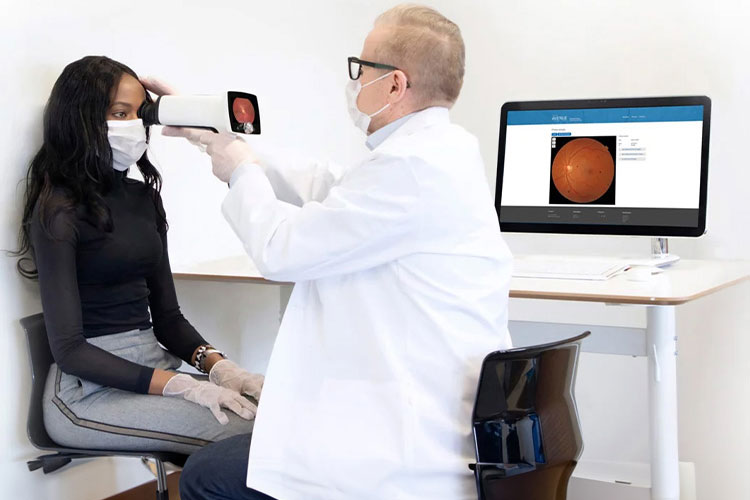
Fundus cameras capture detailed images of the retina, optic nerve, and other structures at the back of the eye. Traditionally, interpreting these images required the expertise of trained ophthalmologists. However, with the integration of artificial intelligence, AI Fundus Cameras can now automatically analyze retinal images and highlight potential abnormalities within seconds.
This AI-driven capability helps clinicians detect eye diseases more efficiently, even in primary care or telemedicine settings where access to ophthalmology specialists may be limited.
Early Detection Saves Vision
One of the most significant benefits of AI Fundus Cameras is their ability to aid in the early detection of vision-threatening diseases. Some of the most common and serious conditions include:
• Diabetic Retinopathy – A complication of diabetes that damages retinal blood vessels, often progressing silently until vision loss occurs.
• Glaucoma – Known as the “silent thief of sight,” glaucoma gradually damages the optic nerve without early symptoms.
• Age-Related Macular Degeneration (AMD) – A leading cause of vision impairment in older adults, AMD affects central vision.
• Hypertensive Retinopathy – High blood pressure can cause subtle changes in the retina that signal increased risk for cardiovascular complications.
By leveraging AI, fundus cameras can detect subtle patterns that the human eye may overlook, ensuring patients receive timely referrals and treatment.
Empowering Healthcare Providers
The integration of AI into fundus cameras is not about replacing clinicians—it is about empowering them. Healthcare professionals benefit in several ways:
• Faster Analysis – Automated detection provides immediate feedback, accelerating the diagnostic process.
• Improved Accuracy – AI reduces the likelihood of human error by analyzing thousands of data points in each image.
• Scalability – Primary care physicians, optometrists, and even telehealth providers can incorporate retinal screenings without requiring on-site specialists.
• Better Patient Education – AI-enhanced imaging allows providers to show patients visual evidence of their eye health, increasing awareness and compliance.
This technology is particularly impactful in underserved or rural communities where access to ophthalmology is limited. AI Fundus Cameras can bridge the gap, ensuring patients still receive high-quality preventive care.
The Role of AI Fundus Cameras in Population Health
Beyond individual patient care, AI Fundus Cameras play an important role in population health management. For example, diabetic retinopathy screening programs can be scaled more efficiently when AI assists in reviewing large volumes of images. This reduces the burden on ophthalmologists, who can focus on reviewing only those images flagged as suspicious by the AI.
By implementing widespread screening, healthcare organizations can significantly reduce preventable blindness rates and improve long-term outcomes for chronic disease patients.
Integration with Telemedicine
In today’s digital healthcare environment, telemedicine continues to expand rapidly. AI Fundus Cameras fit seamlessly into this model. High-resolution retinal images can be captured at a local clinic and uploaded instantly for remote analysis by AI software. If abnormalities are detected, a referral to an eye specialist can be arranged, ensuring patients do not miss critical treatment opportunities.
This integration is especially valuable in regions where eye specialists are scarce but the burden of diseases like diabetes is high.
Future Potential of AI in Ophthalmology
As artificial intelligence continues to evolve, its applications in ophthalmology will grow even further. Some future possibilities include:
• Predictive Analytics – Forecasting the likelihood of disease progression before symptoms appear.
• Personalized Care – Tailored treatment plans based on AI’s ability to correlate imaging data with genetic, lifestyle, and medical history factors.
• Cross-Disciplinary Applications – Because the retina reflects systemic health, AI imaging could assist in detecting cardiovascular disease, neurological disorders, and more.
The AI Fundus Camera is only the beginning of a new era in medical imaging and diagnostic support.
Why Clinics Should Adopt AI Fundus Cameras Now
The case for adopting this technology is compelling:
• Early detection reduces long-term treatment costs.
• Improved efficiency means clinicians can see more patients in less time.
• Expanded screening increases patient trust and satisfaction.
• Compliance with screening guidelines is simplified.
Healthcare organizations that adopt AI Fundus Cameras not only improve patient care but also position themselves as leaders in innovative medicine.
BeamMed Inc
AI Fundus Cameras are more than just diagnostic tools—they are transforming the way eye care is delivered. By combining the precision of advanced imaging with the intelligence of machine learning, they provide a powerful solution to combat preventable blindness and support healthcare providers across diverse settings.
BeamMed Inc. now offers this AI-powered retinal imaging camera. Get more information at https://www.beammed.com/fundus-camera/.