
Maintaining strong, healthy bones is crucial for women at every stage of life. Yet chronic illnesses often create hidden obstacles to bone health, increasing the risk of fractures and osteoporosis. Conditions like diabetes, autoimmune disorders, and gastrointestinal diseases can quietly weaken bones over time, often without obvious symptoms until significant damage has occurred.
Chronic illnesses impact bone strength in several ways. Diabetes, for example, interferes with insulin regulation, which plays a vital role in maintaining bone density. Similarly, autoimmune diseases such as rheumatoid arthritis trigger chronic inflammation, damaging both joints and bones. Gastrointestinal diseases, including Crohn’s disease and celiac disease, impair the body’s ability to absorb essential nutrients like calcium and vitamin D, both of which are critical to bone formation and strength.
Beyond the physical toll, the psychological burden of chronic illnesses also weighs heavily on bone health. Anxiety, depression, and chronic stress—all common among individuals managing long-term conditions—can disrupt hormonal balance. Elevated cortisol levels, in particular, are known to inhibit bone formation and increase bone loss. Social isolation and lifestyle changes tied to chronic disease can further contribute to decreased physical activity and poor nutrition, compounding the risk of weakened bones over time.
Managing these multifaceted risks requires a truly holistic approach. Healthcare providers must address not only the underlying physical conditions but also the emotional and lifestyle factors that influence bone health. Mental health support, tailored exercise programs, and personalized nutritional guidance all play important roles in preserving bone density and overall well-being.
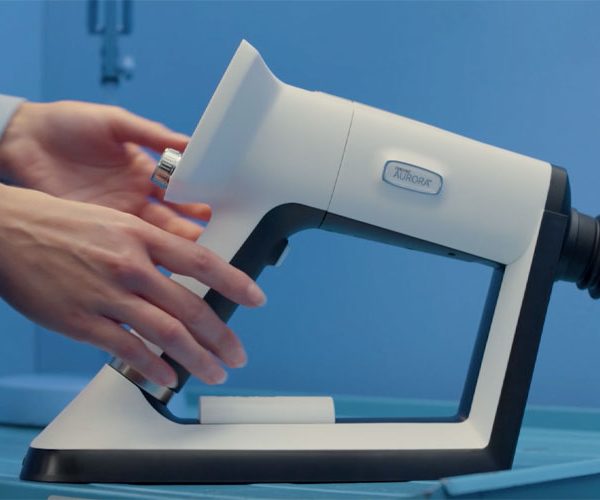
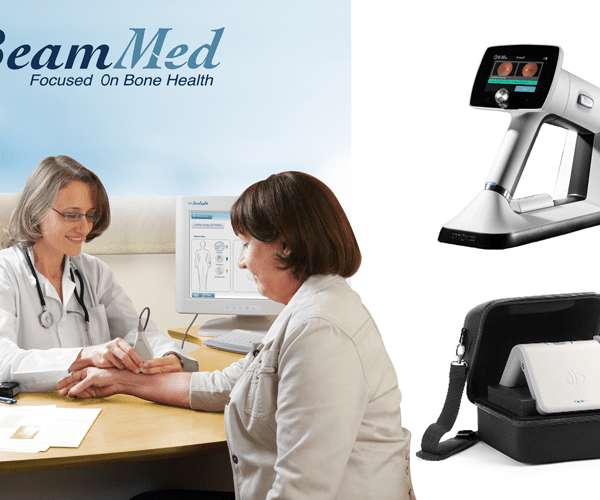
One powerful advancement aiding this effort is the portable bone density scanner. Companies like BeamMed offer innovative portable bone scanning devices that bring early detection capabilities directly to clinics, community centers, and even patient homes. These scanners make bone health assessments faster, more accessible, and less stressful, especially for women with mobility challenges. By using BeamMed’s reliable and easy-to-use technology, healthcare providers can monitor bone density over time, personalize treatments, and help women take proactive steps toward stronger, healthier lives.
References:
Kalaitzoglou, E., Popescu, I., Bunn, R. C., Fowlkes, J. L., & Thrailkill, K. M. (2016). Effects of Type 1 Diabetes on Osteoblasts, Osteocytes, and Osteoclasts. Current Osteoporosis Reports, 14(6), 310–319. https://doi.org/10.1007/s11914-016-0329-9
Amarasekara, D. S., Yu, J., & Rho, J. (2015). Bone Loss Triggered by the Cytokine Network in Inflammatory Autoimmune Diseases. Journal of Immunology Research. https://doi.org/10.1155/2015/832127
Fleet, J. C. (2022). Vitamin D-Mediated Regulation of Intestinal Calcium Absorption. Nutrients, 14(16), 3351. https://doi.org/10.3390/nu14163351
Kelly, R. R., McDonald, L. T., Jensen, N. R., Sidles, S. J., & LaRue, A. C. (2019). Impacts of Psychological Stress on Osteoporosis: Clinical Implications and Treatment Interactions. Frontiers in Psychiatry, 10, 200. https://doi.org/10.3389/fpsyt.2019.00200
Azuma, K., Adachi, Y., Hayashi, H., & Kubo, K. Y. (2015). Chronic Psychological Stress as a Risk Factor of Osteoporosis. Journal of UOEH, 37(4), 245–253. https://doi.org/10.7888/juoeh.37.245