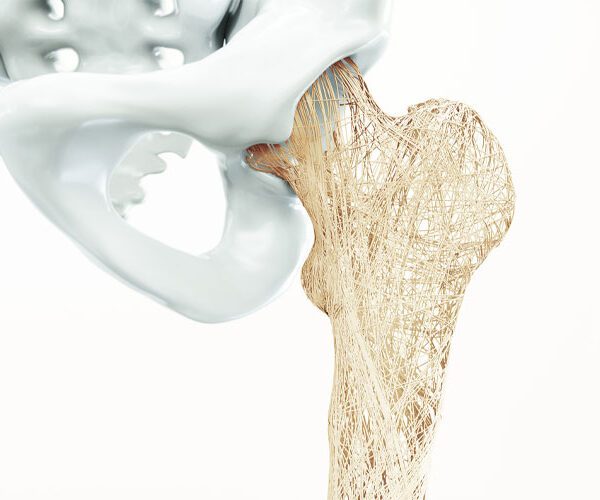

Osteoporosis is often described as a “silent” disease, progressing for years without noticeable symptoms until a fracture occurs. For millions of adults—especially women over 50—the consequences of low bone density can be life-changing, influencing mobility, independence, and long-term health. Yet beyond medical screenings, imaging scans, and treatment plans, one element consistently shapes outcomes: patient engagement.
Osteoporosis care isn’t simply about providing clinical recommendations—it’s about ensuring patients understand their risk, feel supported, and participate actively in decisions regarding their bone health. When individuals are encouraged to share their experiences, fears, and expectations, providers can tailor care in a way that strengthens understanding and adherence. This connection between clinician and patient is not just beneficial—it’s essential.
Understanding the Human Side of Osteoporosis
Behind every diagnosis is a unique story—someone who may fear losing independence, someone confused by medical terminology, or someone unaware that their daily activities or diet are affecting their bone strength. Recognizing these personal perspectives transforms osteoporosis care from a standardized approach into a meaningful partnership.
When clinicians consider a patient’s lifestyle, cultural background, goals, and daily challenges, conversations become more effective. Treatment plans shift from “what the patient should do” to “what will realistically support this patient’s life.” This respect fosters trust—one of the strongest predictors of long-term adherence.
The Role of Personalized Conversations in Better Outcomes
Patients are more likely to follow diagnostic or treatment recommendations when they feel heard. That’s why conversations about bone scans, medications, exercise routines, or supplements should be framed around what matters most to the individual.
Some patients may prioritize maintaining mobility. Others may worry about medication side effects. Still others may lack a clear understanding of their fracture risk. Addressing these concerns directly strengthens engagement and helps remove barriers.
This collaborative style—known as shared decision-making—has proven invaluable in osteoporosis care. It allows clinicians to educate patients while empowering them to participate, ask questions, and voice preferences. This isn’t just good communication; it’s a clinical tool that leads to better follow-through and improved health.
What Patients Want to Know: Insights from Engagement Studies
Research into patient engagement reveals what matters most to individuals managing osteoporosis. In large-scale surveys, patients emphasized several priorities they want clinicians to address clearly:
- Physical activity and exercise guidance
- Fall-prevention strategies
- Nutrition recommendations
- Clear explanations of bone density testing
- Ways to maintain quality of life and daily independence
Understanding medication risks and benefits
These priorities highlight a crucial reality: patients want practical, actionable information—not vague assurances. They want to know how osteoporosis will affect their life and what steps they can take now to protect their future.
This reinforces the need for clinicians to communicate in simple, relatable terms. Complex medical language, especially around fracture risk, can confuse patients and reduce motivation for treatment. Tools such as decision aids, visual charts, or risk calculators can bridge these gaps and increase clarity.
Helping Patients Understand Their True Risk
Many individuals underestimate their risk of osteoporosis-related fractures. Others overestimate it and feel overwhelmed. Both extremes can negatively impact engagement.
- Clear and honest communication helps patients understand:
- What their numerical risk means
- How risk changes with lifestyle adjustments or medication
- How early detection prevents severe outcomes
Decision support tools—like those developed by leading medical institutions—give patients a visual, personalized overview of their bone health. These tools, when used during appointments, turn abstract data into meaningful insight and help patients make informed choices.
The Power of Engagement in Treatment Adherence
Osteoporosis treatment is most effective when it is consistent. Whether the recommendation includes medication, exercise, fall-prevention strategies, or dietary adjustments, adherence can determine whether a patient maintains bone strength or continues to lose density.
Engaged patients are:
- More likely to return for follow-up appointments
- More consistent with medication
- More proactive about lifestyle changes
- Better prepared to prevent future fractures
Ultimately, engagement empowers patients to take control of their health. It turns fear into understanding, uncertainty into action, and treatment plans into long-term habits.
Conclusion: Engagement Is Not Optional—It’s Essential
Osteoporosis care works best when clinicians and patients work together. By welcoming patients’ input, acknowledging their concerns, and providing clear, accessible information, healthcare providers strengthen the likelihood of successful outcomes.
When patients feel informed, valued, and supported, they are far more likely to follow through with screenings, treatments, and preventive care—leading to stronger bones, fewer fractures, and a better quality of life.
Frequently Asked Questions
1. Why is patient engagement important in osteoporosis care?
Patient engagement improves understanding, strengthens treatment adherence, and helps patients make informed decisions about managing their bone health.
2. How can patients better understand their fracture risk?
Using decision aids, visual charts, and simplified explanations helps patients see their true risk and understand how lifestyle or treatment changes can lower it.
3. What factors should be discussed during osteoporosis treatment planning?
Exercise, nutrition, fall prevention, medication options, side effects, and quality-of-life goals should all be part of the discussion.
4. How can clinicians encourage better adherence to treatment?
By building trust, addressing patient concerns, simplifying medical information, and tailoring recommendations to each individual’s lifestyle and preferences.