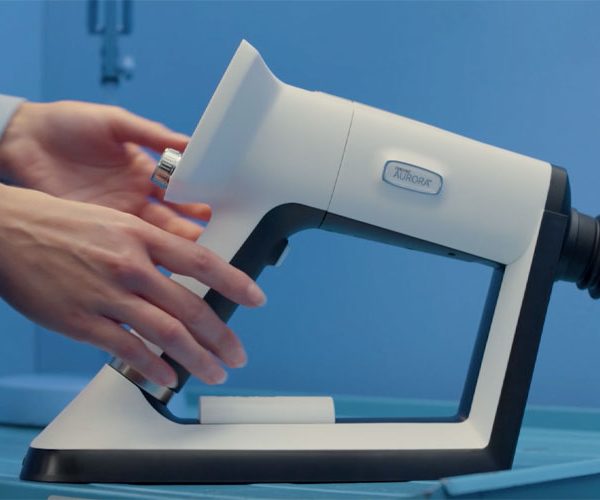
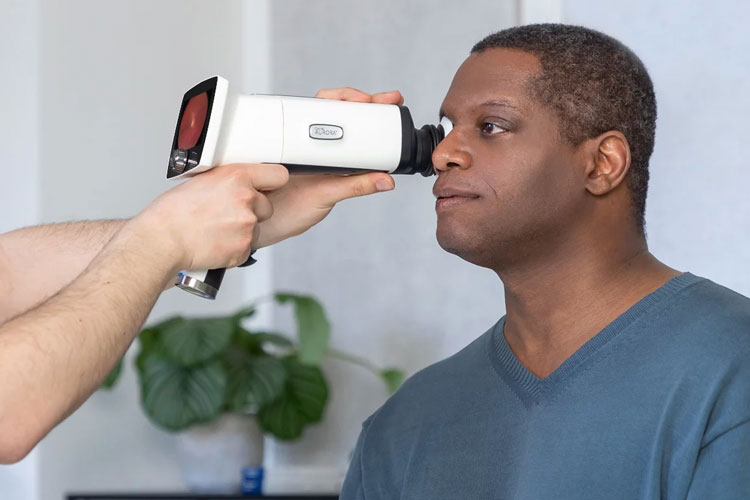
Early detection of vision-threatening conditions has become a critical priority in modern healthcare, particularly for patients living with diabetes. Unfortunately, many individuals do not receive regular eye evaluations due to limited access to specialists, scheduling challenges, or lack of symptoms in early stages. The AI Fundus Retinal Camera is changing this reality by bringing advanced screening capabilities directly into primary care settings, allowing clinicians to identify potential retinal issues quickly, efficiently, and at scale.
For primary care providers, this technology represents a powerful shift from referral-dependent screening to in-office assessment. Instead of waiting weeks or months for specialist appointments, providers can capture high-quality retinal images during routine visits and receive rapid AI-assisted analysis.
Why diabetic retinopathy screening needs innovation
Diabetic retinopathy is one of the leading causes of preventable vision loss worldwide. Yet screening rates remain inconsistent, especially in underserved populations. Many patients skip annual eye exams because of transportation barriers, cost concerns, or competing health priorities.
Traditional screening models rely heavily on ophthalmology clinics, creating bottlenecks that delay evaluation and follow-up care. Primary care practices, which often serve as the first and most frequent point of contact, are uniquely positioned to close this gap. By integrating an AI Fundus Retinal Camera, clinics can provide screening during routine diabetes management visits, dramatically increasing compliance without adding significant workflow burden.
How AI enhances retinal imaging
Fundus cameras have been used for decades, but artificial intelligence introduces a new level of efficiency and consistency. AI algorithms can analyze retinal images for patterns associated with disease risk, helping clinicians prioritize patients who need specialist evaluation.
Key advantages of AI-assisted imaging include:
- Automated analysis that reduces reliance on manual interpretation
- Consistent assessment across patients and providers
- Rapid results that support same-visit decision making
These capabilities allow primary care teams to act immediately, rather than waiting for external reports.
Improving access in underserved communities
Healthcare disparities often stem from limited specialist availability. Rural areas and densely populated urban regions alike may lack sufficient ophthalmology resources. The portability and ease of use of an AI Fundus Retinal Camera enable clinics to extend screening services to populations that historically faced barriers.
Community health centers, mobile clinics, and integrated care networks can deploy this technology to reach patients who might otherwise go years without evaluation. By embedding screening into routine care, providers reduce missed opportunities and improve long-term outcomes.
Workflow integration in primary care settings
One of the biggest concerns when adopting new medical technology is whether it will disrupt clinical workflows. AI-enabled retinal cameras are designed to integrate smoothly into existing processes.
Staff can be trained to capture images in minutes, often without the need for pupil dilation in many cases. Results can be reviewed during the same appointment, allowing providers to discuss findings immediately and plan next steps. This streamlined approach minimizes additional appointment scheduling and improves patient satisfaction.
- Minimal setup time between patients
- Delegation of image capture to trained staff
- Integration with electronic health records for documentation
These features make the technology practical even for busy clinics with high patient volumes.
Financial benefits and return on investment
Beyond clinical advantages, the AI Fundus Retinal Camera offers meaningful financial value. By providing in-office screening, clinics can expand service offerings and reduce patient leakage to external providers. Improved screening compliance also supports value-based care initiatives and quality metrics tied to diabetes management.
Cost savings can also arise from early detection and timely referral, which help prevent advanced complications that require expensive treatment. Over time, the technology can pay for itself through a combination of service revenue, improved patient retention, and reduced downstream healthcare costs.
Enhancing patient engagement and trust
Patients are more likely to follow through with screening when it is convenient and immediate. Seeing retinal images during the appointment helps patients understand their health status and reinforces the importance of ongoing care.
The use of advanced technology also signals that the clinic is committed to modern, proactive healthcare. This perception can strengthen patient loyalty and encourage adherence to recommended follow-up visits.
Supporting value-based care models
Healthcare systems increasingly emphasize preventive care and measurable outcomes. Screening technologies that identify risk early align closely with these goals. By incorporating an AI Fundus Retinal Camera, primary care providers can demonstrate proactive management of chronic conditions, improving both clinical outcomes and performance metrics.
This alignment is particularly important for organizations participating in accountable care programs or quality reporting initiatives.
Why BeamMed is a trusted partner for advanced screening solutions
Implementing new technology requires more than purchasing equipment—it requires training, support, and integration expertise. BeamMed specializes in delivering advanced medical imaging solutions tailored to real clinical environments. Their approach focuses on usability, accuracy, and long-term reliability, ensuring that providers can adopt new capabilities without operational disruption.
By partnering with BeamMed, healthcare organizations gain access to cutting-edge tools like the AI Fundus Retinal Camera, along with the guidance needed to deploy them effectively. The company supports clinics through implementation, training, and ongoing service, helping providers expand preventive care services while improving efficiency and patient outcomes. Call 800-769-6808
Frequently Asked Questions
Can primary care staff operate an AI retinal camera?
Yes, most systems are designed for ease of use and can be operated by trained clinical staff rather than specialists.
Does screening require pupil dilation?
Many modern cameras can capture high-quality images without dilation in typical cases, improving patient comfort and efficiency.
How long does a screening take?
Image capture typically takes only a few minutes, making it feasible during routine appointments.
Is this technology suitable for mobile or community clinics?
Yes, portable designs allow deployment in outreach programs, rural clinics, and multi-location healthcare systems.